
Dubai, a city known for its modern infrastructure and welcoming culture, has changed the hours for paid parking during Ramadan. The holy month brings changes to daily life, such as different work hours, fasting schedules, and social events. These changes affect traffic patterns and parking needs all over the city. The Roads and Transport Authority (RTA) has changed these times to make it easier for residents, visitors, and businesses to get around.
- Why it’s important to change the hours for paid parking during Ramadan
- A look at the new times for paid parking
- The New Parking Rules Benefit Residents
- Ways to Pay for Paid Parking During Ramadan
- Details for Each Zone: Downtown Dubai
- Questions that people ask a lot
- How to Make Your Commute Easy During Ramadan
- Cultural Importance of Changes to Parking
- How Dubai combines modern city planning with tradition
- Final Thoughts
Dubai shows that it is dedicated to balancing the needs of the city with cultural and social factors by announcing new paid parking hours for Ramadan. The goal of these changes is to ease traffic, make things easier, and make sure that the city runs smoothly during this important time. Anyone who is going to Dubai during Ramadan needs to know how to read the new schedule.
Why it’s important to change the hours for paid parking during Ramadan
Changing the hours for paid parking during Ramadan is a beneficial way to keep up with the city’s changing daily routines. Fasting changes the way people get to work. The busiest times are before Iftar and late at night when people are going to prayers or having dinner with family. These shifts don’t always fit into traditional parking schedules, which can cause traffic jams and other problems.
Dubai has changed the hours for paid parking during Ramadan so that both residents and tourists can park easily, move around freely, and enjoy the city’s amenities without having to worry about strict enforcement during busy times. This method shows that the city cares about the needs of the community while still being able to run it well.
The new times are also beneficial for businesses. During Ramadan, restaurants, malls, and shopping centers are busier at night. The longer parking hours help them run smoothly by making it easier and safer for customers to park.
A look at the new times for paid parking
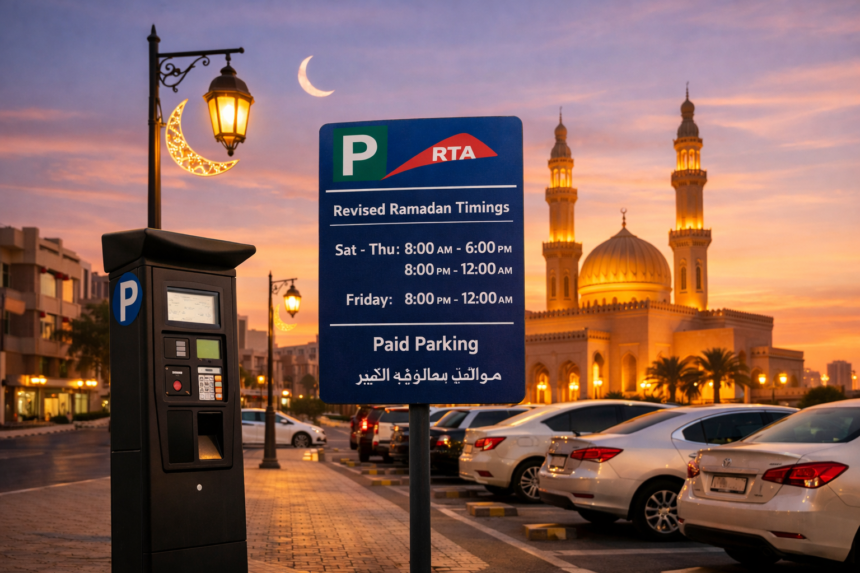
The RTA in Dubai has changed the parking schedule in important areas to take into account the special needs of Ramadan. The new schedule changes depending on where you are, but the usual paid parking hours are from 8:00 AM to 10:00 PM.
Paid parking in Downtown Dubai, for instance, starts later in the morning and goes until midnight. That makes sure that residents who go to pre-Iftar gatherings or evening prayers have enough parking. Business Bay also has longer evening hours to deal with the high traffic caused by restaurants and cafes staying open later. To reduce traffic, Jumeirah’s parking starts a little later in the morning. To support leisure activities and tourist traffic, Dubai Marina’s evening hours are longer.
By announcing new paid parking hours for Ramadan, Dubai shows that it is thinking ahead and making sure that each zone’s schedule fits the needs and activities of that area.
The New Parking Rules Benefit Residents
Residents will benefit in many ways from the new paid parking hours. One of the best things about the new schedule is that it gives people more freedom. They can pray, shop, or eat without worrying about getting a ticket. The longer hours in the evening are ideal for going to Taraweeh prayers or seeing family and friends after Iftar.
Parking rules change depending on when the most people are using the area, which helps reduce traffic jams. Residents no longer have to worry about limited availability during busy times, which makes their commutes more predictable and less stressful. These changes also help build community by keeping the city’s cultural traditions alive while keeping things running smoothly.
Tourists and visitors also benefit. Visitors can see Dubai’s sights, eat at restaurants, and shop without worrying about getting a ticket or having to pay for parking in busy areas. Dubai makes sure that everyone has a safe and organized city environment by announcing new paid parking hours for Ramadan.
Ways to Pay for Paid Parking During Ramadan
Dubai’s paid parking system is still modern and easy to use, even with the new hours. The RTA wants people to pay electronically to cut down on lines, make transactions easier, and make things run more smoothly. The RTA Dubai app is the main way to pay for parking. It lets users pay right from their phones and gives them real-time updates on parking availability.
Drivers can pay without cash at certain parking meters with NOL cards. They can also load balance for multiple trips. For people who like to pay by text message, there are also SMS-based payment services.
These payment options work well with the new paid parking hours, making it simple and stress-free to follow the rules. Dubai stresses that residents and tourists can easily adjust to the new rules and avoid fines by announcing new paid parking hours for Ramadan.
Details for Each Zone: Downtown Dubai
Paid parking in Downtown Dubai starts later during Ramadan and goes on until late at night. This change makes it less crowded during busy daytime hours and makes it easier for residents and tourists to get to restaurants, shops, and mosques.
Bay of Business
The parking schedule for Business Bay has been changed to make room for traffic in the evening. The longer hours help people who go to Iftar gatherings, shopping malls, and cafes, which supports local businesses and makes traffic less of a problem.
Jumeirah
In Jumeirah, parking restrictions in the morning start a little later to keep traffic from getting too heavy. Residents can still go to community events or eat after breaking the fast in the evening.
Marina in Dubai
Dubai Marina gets many tourists and residents during Ramadan evenings. Paid parking is available until midnight to make sure there is enough space for social and leisure activities.
Dubai ensures the management of every area in accordance with its unique traffic and social patterns by announcing new paid parking hours for Ramadan. That makes things easier for everyone.
Questions that people ask a lot
Q1: When do the new paid parking hours start in Dubai during Ramadan?
The new times start at the beginning of Ramadan and last through the entire holy month. People who live in or visit the area should always check RTA updates for any small changes in certain areas.
Q2: Do parking fines still apply during Ramadan?
Yes, you can get a parking ticket if you park your car outside of the allowed Ramadan hours or if you don’t pay the right way. Following the new schedule is important to avoid penalties.
Q3: What parts of the city will the new paid parking hours affect?
High-traffic areas such as Downtown Dubai, Business Bay, Dubai Marina, and Jumeirah typically experience the impact. Standard parking rules usually apply in less busy areas, but it’s best to check the signs in your area.
Q4: What kinds of payments can be made during Ramadan?
The RTA offers several ways to pay, such as the RTA Dubai app, NOL cards, and SMS-based payment services. These digital methods make transactions go smoothly and cut down on delays.
Q5: How do the new times help people who live there?
Residents benefit from more freedom, less traffic, and longer evening hours that work for religious practices, family gatherings, and social events.
Q6: Do tourists have to follow the new parking rules?
Yes. To avoid fines and make sure that attractions and amenities are easy to get to, tourists must follow the new schedules.
Q7: Is there any free parking during Ramadan?
Some places may have limited free parking for short periods of time, but it’s best to follow the RTA rules to avoid fines and make sure you have a spot.
Q8: How can I find out about changes to parking hours?
The official RTA website, mobile app, and social media channels all give timely updates about changes to paid parking hours during Ramadan.
How to Make Your Commute Easy During Ramadan
To get around Dubai quickly during Ramadan, you need to know when traffic is at its worst, the parking rules for each zone, and the new paid parking hours. People who live there and people who are just visiting should plan their trips carefully, taking into account early morning or mid-afternoon hours for important tasks.
It’s also important to know how the city’s digital parking system works. You can park without any problems and follow the rules if you use the RTA app, NOL cards, or SMS payment methods. Drivers should be patient during busy times and be respectful of community spaces near mosques and places where people gather.
Dubai is meeting the city’s unique cultural and social needs by announcing new paid parking hours for Ramadan. That encourages people to be responsible when they travel.
Cultural Importance of Changes to Parking
Dubai’s change in parking hours during Ramadan shows its concern for culture and community. During the holy month, people fast, pray, and get together in the evening, which changes how people usually drive and do things.
Dubai supports people going to mosques, families celebrating Iftar, and businesses that serve evening visitors by changing the hours for paid parking. This method ensures that city management meets the needs of both social and religious groups, thereby maintaining peace and improving city operations.
How Dubai combines modern city planning with tradition
Dubai’s new paid parking hours during Ramadan show how modern city planning can work with old ways of doing things. By changing the hours for paid parking during Ramadan, the city makes things clear, helps businesses, and makes it easier and safer for everyone to get to and from work.
This method shows that being efficient in cities and respecting other cultures can happen at the same time. Dubai’s planning uses technology, changes to specific areas, and campaigns to raise public awareness to make the holy month as smooth as possible.
Final Thoughts
Dubai changes the hours for paid parking during Ramadan to account for changes in daily routines, cultural practices, and traffic patterns during the holy month. The changes give residents more options, help businesses, and make sure tourists can get around the city easily.
For compliance and convenience, it is essential to understand and follow the new schedule. Residents and visitors can get the most out of the city’s offerings during Ramadan by using digital payment methods, planning their trips carefully, and knowing the rules for each zone.
Dubai sets an example for modern city management that respects tradition while embracing innovation by announcing new paid parking hours for Ramadan. That shows that the city is both efficient and culturally aware.