
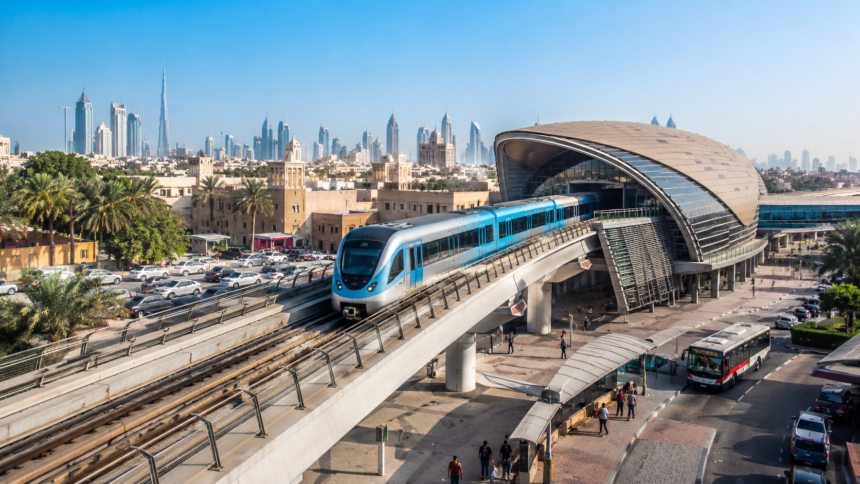
There’s a certain part of Dubai that doesn’t try to impress you with glass towers or shopping malls, and Al Ghubaiba sits right in the middle of it. Step off the train here and you’re standing in Al Shindagha, one of the oldest corners of the city, with the Creek just a short walk away and the smell of spice markets drifting in from somewhere nearby. If you’re trying to figure out Al Ghubaiba Metro Station Dubai timings, fares, or how to actually get around once you arrive, this piece covers all of it in plain terms, no fluff, just what you need before you head out.
- Where Al Ghubaiba Metro Station Sits on the Map
- A Brief History of Al Ghubaiba Metro Station
- Al Ghubaiba Metro Station Timings You Should Know
- Getting to Know the Al Ghubaiba Metro Station Route
- Al Ghubaiba Metro Station Map and Platform Layout
- Understanding Al Ghubaiba Metro Station Fare Zones
- Nol Card Guide for Al Ghubaiba Metro Station
- Al Ghubaiba Metro Station Exits and How to Use Them
- Facilities at Al Ghubaiba Metro Station
- Parking Near Al Ghubaiba Metro Station
- Safety and Accessibility at Al Ghubaiba Metro Station
- Al Ghubaiba Compared to Other Bur Dubai Metro Stations
- Dubai Bus Routes Connected to Al Ghubaiba
- What’s Actually Around Al Ghubaiba Metro Station
- Best Time to Visit the Area Around Al Ghubaiba
- Tips for Using Al Ghubaiba Metro Station Efficiently
- Why Al Ghubaiba Deserves More Attention From Commuters and Tourists Alike
- Frequently Asked Questions
- Final Thoughts
Where Al Ghubaiba Metro Station Sits on the Map
The station is tucked into Al Shindagha, right near the Al Ghubaiba Road junction in Bur Dubai. It’s an underground stop on the Green Line, and honestly, it doesn’t look like most other Dubai Metro stations. The entrances borrow from old Emirati architecture wind towers, that kind of thing so it feels more like a piece of the neighborhood than a transit box dropped into it.
Because it sits so close to the Creek, a lot of people use this station as a launch point for an abra ride across to Deira. It also backs right onto Al Ghubaiba Bus Station, which handles a good chunk of the intercity bus traffic heading to Sharjah and Abu Dhabi. Between the metro, the buses, and the water taxis, this one spot covers three modes of transport without you needing to walk far at all.
A Brief History of Al Ghubaiba Metro Station
This station has been running since September 9, 2011, back when the Green Line first opened. The location wasn’t random. Al Shindagha is genuinely one of the oldest lived-in parts of Dubai, long before anyone had heard of the Burj Khalifa or Downtown. Whoever designed this station skipped the usual modern template and leaned into something that actually reflects the area’s history.
Over the years it’s turned into more than just a place people pass through on their commute. Locals use it daily, sure, but tourists have started treating it as a starting point for exploring Old Dubai too. That mix of practical transit hub on one hand, cultural gateway on the other is what makes Al Ghubaiba a bit different from most other stops on the map.
Al Ghubaiba Metro Station Timings You Should Know
Timings shift a little depending on the day of the week, so here’s roughly what to expect:
- Sunday to Wednesday: 5:00 AM until midnight
- Thursday: 5:00 AM until 1:00 AM the next day
- Friday: 10:00 AM until 1:00 AM the next day
- Saturday: 8:00 AM until midnight
Keep in mind these are general Green Line hours, and the actual first and last train at Al Ghubaiba can be a few minutes off from what’s listed above. During public holidays or big events, RTA usually pushes the hours later, and they’ll announce it beforehand. If you want the exact minute your train leaves, don’t guess — just check the S’hail app. It pulls live data and saves you from standing on an empty platform wondering where everyone went.
Getting to Know the Al Ghubaiba Metro Station Route
Al Ghubaiba runs on the Green Line under the code G24, and the line stretches from e& Metro Station (people still call it Etisalat out of habit) all the way down to Creek Station. So depending on which direction you’re headed, you’ll pass through very different parts of the city.
Go south and you’ll hit BurJuman, Oud Metha, Dubai Healthcare City. Go north and it’s Gold Souq, Al Ras, Baniyas Square, then further up through Deira toward Union Station which is where you’d switch to the Red Line if you’re heading toward Downtown or the airport. BurJuman also connects to the Red Line, so really you’ve got two interchange points within easy reach.
Al Ghubaiba Metro Station to Popular Destinations
People ask this a lot, so here’s the quick version:
- To Burj Khalifa: Green Line to Union Station, then switch to the Red Line toward Burj Khalifa/Dubai Mall.
- To Dubai Mall: same route as above.
- To Dubai Airport: Green Line to Union, then Red Line to whichever terminal your flight departs from.
- To Gold Souk: barely a hop it’s just a couple of stops away on the same line.
- To Deira: several stops (Al Ras, Baniyas Square) sit right in Deira, so this one’s fast.
- To Union Station: a few minutes north, direct.
- To Expo City: takes longer Green Line to a Red Line connection, then onward toward Expo 2020 Metro Station via the Route 2020 extension.
Al Ghubaiba Metro Station Map and Platform Layout
The station keeps things fairly simple once you’re inside two side platforms, two tracks, one direction each. Overhead screens tell you which platform is northbound and which is heading toward Creek, so double-check before you commit to a set of stairs, especially during rush hour when nobody wants to backtrack.
Everything on the concourse level ties together the exits, the ticket machines, the Nol top-up counters. There’s a printed map near each entrance if you want to plan your route the old-fashioned way, or you can just pull up the same layout inside the S’hail app before you even leave home.
Understanding Al Ghubaiba Metro Station Fare Zones
Dubai’s metro fares work on a zone system, and Al Ghubaiba falls into one of the more central zones covering Bur Dubai. That generally works in your favor if you’re heading toward Deira or over to the business districts along Sheikh Zayed Road — it’s not the cheapest zone in the city, but it’s far from the priciest either.
What you actually pay comes down to how many zones you cross and whether you’re riding Silver or Gold Class. If you’re commuting regularly, a Nol Card almost always beats paper tickets on cost over time. Fares do get revised occasionally, so it’s worth a quick check on the RTA site or the S’hail app before you travel rather than trusting numbers you saw months ago.
Nol Card Guide for Al Ghubaiba Metro Station
You can’t really get through this station without a Nol Card, so it’s worth knowing which type fits you. If you’re just visiting or riding occasionally, the Red Card works fine as you go, no registration needed. If you’re commuting daily, Silver or Gold makes more sense since fares come out cheaper per trip, and you can register the card so losing it isn’t a disaster.
Top-up machines sit near every entrance, and they take both cash and card. A lot of regulars just top up through the RTA app instead, especially during the morning rush when the machines get a queue. One tip that saves headaches: keep a small buffer on the card at all times. Nothing worse than getting stopped at the gate because your balance ran out mid-commute.
Al Ghubaiba Metro Station Exits and How to Use Them
There are a handful of exits here, and each one puts you somewhere different in the neighborhood, so picking the right one actually matters especially when it’s 40 degrees outside and you don’t want to walk further than necessary.
- One exit drops you near Al Ghubaiba Road and the bus station, good if you’re catching an intercity bus.
- Another leads out onto Al Falah Street toward Shindagha City Centre, handy for food or a bit of shopping.
- One heads toward Heritage Village, which is where you want to be for anything culture-related.
- And the last one puts you right by the marine transport station, where the abras leave for Deira.
Signs are clear enough throughout the station, and the digital boards update in real time if anything changes with platforms or timings.
Facilities at Al Ghubaiba Metro Station
The station covers most of the basics you’d expect, and honestly a few things you might not.
Ticketing and Payment Facilities
Ticket machines and Nol top-up points are placed near every entrance so you’re rarely waiting long. Staffed counters handle anything the machines can’t card registration, disputes, that sort of thing — and there are screens showing current pricing and zone info if you’re unsure what you’ll be charged.
Passenger Comfort and Information
The platforms stay clean, the AC actually works (a bigger deal than it sounds during Dubai summers), and the information screens keep you posted on arrivals or any delays. Staff are around throughout operating hours if you need directions or just aren’t sure where to go which happens more than people admit.
Parking Near Al Ghubaiba Metro Station
If you’re driving part of the way, there’s public parking around the station, though it fills up fast during peak hours. Rates follow the standard municipal pricing that shifts depending on the time of day and which zone you’re parked in.
Because this part of town gets congested, a lot of regulars don’t even try parking right next to the station. They’ll park a bit further out and walk, or just grab a taxi to the entrance instead. It’s usually faster than circling for a spot that may not exist.
Safety and Accessibility at Al Ghubaiba Metro Station
Safety here follows the same standard you’ll find across the whole Dubai Metro network. Platform edge doors keep people away from the tracks, cameras cover the concourse and platforms, and staff are present the entire time the station’s open.
Accessibility goes beyond the usual ramps too. Tactile flooring guides visually impaired passengers toward platforms and exits, elevators connect every level, and priority seating is clearly marked inside the trains. Traveling with a stroller or an elderly parent? You shouldn’t run into much trouble getting around here.
Al Ghubaiba Compared to Other Bur Dubai Metro Stations
Bur Dubai has a few metro stations close together, and it helps to know how they differ. BurJuman leans heavily toward shopping traffic since it connects directly to BurJuman Centre, and it’s also where the Green and Red Lines meet.
Al Ghubaiba feels more like the heritage-and-transit stop. It’s got the bus station, the Creek, the old city right there. Sharaf DG, a bit further along, sits closer to the textile and retail stretch on Khalid Bin Waleed Road. So really, which one you use depends less on convenience and more on where you’re actually trying to go.
Dubai Bus Routes Connected to Al Ghubaiba
Beyond the metro, Al Ghubaiba doubles as a serious bus hub. Local RTA routes from here reach places the metro line doesn’t touch directly: Dubai Healthcare City, Al Quoz, Al Khail Gate, Dubai Mall, International City, Jebel Ali, and a handful of others.
That range makes it a useful transfer point if you’re heading somewhere off the metro grid entirely. And for longer trips, the intercity buses to Sharjah and Abu Dhabi leave from the adjacent bus station too, so this one hub covers a lot of ground for both daily errands and cross-emirate travel.
What’s Actually Around Al Ghubaiba Metro Station
This is really where the station shines. Walk out any exit and you’re within reach of some of the most historically loaded parts of Dubai — worth exploring even if you weren’t planning to. The Al Fahidi Historical District is a short walk away, all narrow lanes and restored courtyard houses that give you a real sense of what the city looked like before the skyline changed everything. The Dubai Museum, inside Al Fahidi Fort, packs a surprising amount of history into a small space — pearl diving days through to the rapid growth everyone talks about now.
Heritage Village is close too, with reconstructed traditional homes and the occasional demonstration of old Emirati crafts. And if you’ve got time, the abra ride across the Creek is one of those cheap little experiences that ends up being a trip highlighting a few minutes on the water, barely costs anything, and you land right in Deira. For shopping, the Gold Souk and the surrounding textile markets are a short ride away, and Meena Bazaar — known for fabric shops and cheap South Asian food sits within easy walking distance too.
Best Time to Visit the Area Around Al Ghubaiba
Mornings between 8 and 10 AM are your best bet if you want it quieter around Al Fahidi and Heritage Village — cooler weather, fewer people, better photos.
Evenings have a different charm, especially along the Creek, where the abra crossing looks genuinely nice with the sun going down over Bur Dubai. If you can, visit on a weekday. Weekends bring noticeably bigger crowds to the Dubai Museum and Heritage Village.
Tips for Using Al Ghubaiba Metro Station Efficiently
A few small habits go a long way here:
- Top up your Nol Card before you arrive — the machines get busy fast during peak hours.
- Try to avoid 7:30–9:00 AM and 5:30–7:00 PM if you’d rather not deal with crowds.
- Check the S’hail app for exact train times instead of relying on the general schedule.
- Know which exit you need before you get off the train — picking wrong means extra walking in the heat.
Why Al Ghubaiba Deserves More Attention From Commuters and Tourists Alike
Most people rush through the bigger interchange stations without ever really noticing Al Ghubaiba, which is a shame because it offers something different — a station that’s actually tied to the history around it instead of just sitting there as infrastructure. The architecture alone sets it apart, and with the Creek, Al Fahidi, and Heritage Village all within reach, the neighborhood matters just as much as the station itself.
Whether you’re commuting through Bur Dubai every day or just passing through Dubai for the first time, Al Ghubaiba Metro Station gives you a way into a side of the city that often gets skipped over for the newer, flashier parts. It’s worth knowing well, not just treating it as another stop on the way to somewhere else.
Frequently Asked Questions
1. Which metro line does Al Ghubaiba Metro Station belong to?
It’s on the Green Line, station code G24.
2. Can I transfer to the Red Line from Al Ghubaiba?
Yes — switch at Union Station or BurJuman, both reachable directly.
3. What are the general operating hours for this station?
Roughly 5 AM to midnight on weekdays, with later closing on Thursday and Friday. Exact first/last train times shift slightly.
4. How do I check exact train timings for Al Ghubaiba?
The S’hail app gives you live, station-specific times — more reliable than the general Green Line schedule.
5. Is parking available near the station?
Yes, though it gets tight during peak hours.
6. What landmarks are within walking distance?
Al Fahidi Historical District, Dubai Museum, Heritage Village, and the marine transport station for abra rides.
7. How do I get to Dubai Mall or Burj Khalifa from here?
Green Line to Union Station, then switch to the Red Line.
8. Does Al Ghubaiba connect to intercity buses?
Yes, it sits right next to Al Ghubaiba Bus Station with routes to Sharjah, Abu Dhabi, and beyond.
9. Which fare zone does Al Ghubaiba fall under?
A central fare zone final cost depends on how many zones your trip covers.
10. Is the station wheelchair accessible?
Yes, with ramps, elevators, and accessible pathways throughout.
Final Thoughts
At the end of the day, Al Ghubaiba isn’t just another dot on the Dubai Metro map. It’s one of the few stations where stepping off the train actually feels like stepping into a different version of the city, older, slower, a bit more textured than the glass-and-steel Dubai most people picture. Whether you’re catching a bus to Sharjah, hopping on an abra across the Creek, or just wandering through Al Fahidi with no real plan, this station puts you within reach of it all without much hassle.
If you’re new to the area, keep the S’hail app handy for live timings, load up your Nol Card before you head out, and pick your exit based on where you’re actually going small things, but they make the trip a lot smoother. Beyond that, there’s really no substitute for just showing up and walking around. Al Ghubaiba rewards that kind of exploring more than most stops on the network.