

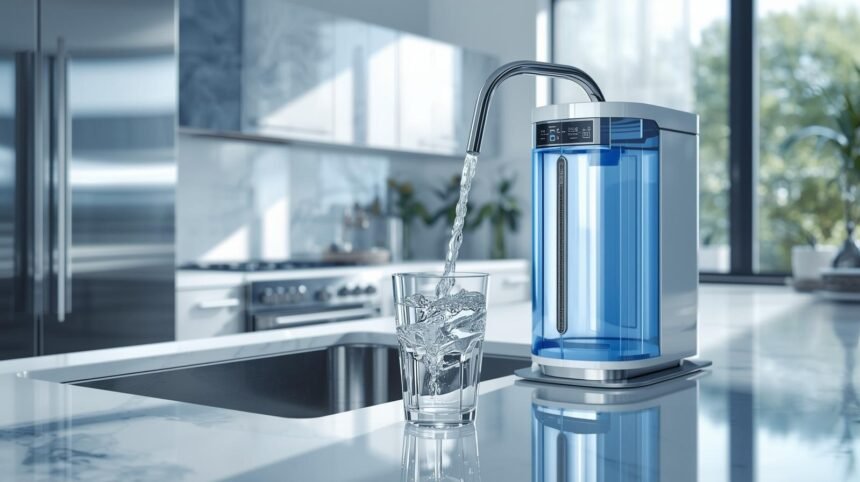
Clean and safe water is something every family needs, yet many homes still receive water that contains chemicals, sediments, bacteria, or heavy metals. This is why water filtration systems are becoming a common household necessity. Many people ask the same question: what is the best water filtration system? The answer depends on the quality of water in your area and the level of purification you require.
This article explains the different types of filtration systems, how they work, and how you can choose the best one for your home.
Why Water Filtration Matters
Tap water can contain chlorine, pollutants, sediments, pesticides, rust, and even micro-organisms. Some areas also have high Total Dissolved Solids (TDS), which affects taste and can cause long-term health issues. A proper filtration system removes unwanted contaminants and makes the water healthier, clearer, and better tasting.
Types of Water Filtration Systems
Reverse Osmosis (RO) Systems
Reverse Osmosis is one of the most advanced filtration technologies used in homes today. Water is passed through a semi-permeable membrane that blocks dissolved salts, heavy metals, chemicals, and other contaminants. RO systems are ideal for places where water quality is poor or where TDS is high.
Advantages:
- Removes most impurities
- Improves taste and odor
- Provides safe drinking water for all age groups
Limitations:
- Some water is wasted during filtration
- Requires regular filter replacement
Activated Carbon Filters
These filters are made of carbon granules that absorb chlorine, chemicals, and organic compounds. They are commonly used in water filter jugs, under-sink filters, and faucet filters. Activated carbon does not remove dissolved salts or heavy metals, but it improves taste and smell significantly.
Best for homes where the main issue is odor, chlorine, or mild contamination.
UV Purifiers
UV technology uses ultraviolet light to destroy bacteria, viruses, and germs in water. It is a chemical-free purification method. UV purifiers do not remove physical or chemical impurities, so they are often used along with an RO or carbon filter.
Best for areas where biological contamination is a concern.
Whole-House Filtration Systems
A whole-house system filters water before it enters the plumbing network. This means the water used in bathrooms, kitchens, showers, and appliances is all purified. It helps protect pipes, prevent scale, and improve quality for cooking, cleaning, and bathing.
These systems usually need professional installation and cost more than basic filters, but they are ideal for larger families.
What Is the Best Water Filtration System?
There is no single system that suits every home. The best choice depends on the water quality in your area.
- If your water has high dissolved solids, chemicals, or a salty taste, Reverse Osmosis is the best option.
- If the issue is only taste and chlorine, a carbon filter is enough.
- If you need protection from bacteria and viruses, a UV purifier is suitable.
- If you want clean water throughout the house, a whole-house filtration system is the most effective option.
Many modern homes choose a combination such as RO + UV + Carbon, because it offers complete protection and better-tasting water.
How to Choose the Right System
Before selecting a system, consider:
- Water quality and TDS level
- Daily water consumption
- Maintenance cost
- Warranty and service availability
- Space and installation requirements
A simple water test can help you determine what type of filtration your home needs.
Frequently Asked Questions
What is the best water filtration system for drinking water?
Reverse Osmosis is considered one of the best methods for drinking water because it removes dissolved salts, heavy metals, and many harmful contaminants.
Is RO water safe for everyday use?
Yes. Most modern RO systems add essential minerals back into the water, making it safe and healthy for daily consumption.
Do UV purifiers remove chemicals?
No. UV only kills germs and bacteria. It does not remove metals or dissolved chemicals, so it is often paired with another filter.88
How often should filters be changed?
Filters should normally be replaced within six to twelve months, depending on the brand and usage.
Is a whole-house filtration system worth the cost?
It is a good investment if you want clean water for bathing, washing, cooking, and drinking. It also protects home appliances and plumbing.
Conclusion
So, what is the best water filtration system? The best choice depends on the contaminants present in your water. Reverse Osmosis works well for high TDS and chemical impurities. Carbon filters improve taste and remove chlorine. UV systems protect against germs. Whole-house systems are ideal for complete home coverage. In many cases, a combination system provides the safest result.