
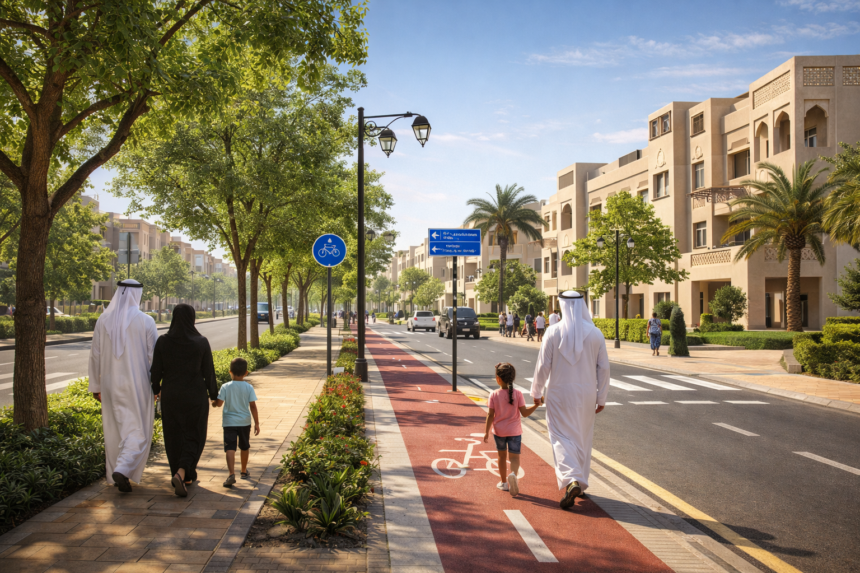
Ajman is on a journey to change its urban landscape with a bold plan to redesign neighbourhoods to make them more walkable. The city’s leaders want to make roads less crowded and encourage people to walk more. This project is part of a bigger plan to make life better, promote sustainable living, and bring people together in the community. Ajman’s goal is to balance the needs of modern infrastructure with environmental responsibility by putting walkability and excellent urban design first. The project is likely to set new standards for urban planning in the UAE.
The redesign project focuses on making neighbourhoods safe, easy to get to, and fun for people of all ages. The city will rebuild streets to improve traffic flow while prioritizing pedestrians. It will enhance public spaces to encourage social interactions and create green corridors, shaded walkways, and plazas that help residents live healthier, more sustainable lives. These actions show that Ajman wants to keep up with global trends in urban development.
Ajman is making itself look like a city that cares about the health of its residents and is ahead of the curve with this plan. By combining modern urban design ideas with environmental concerns, the city is making sure that its neighbourhoods are not only useful but also pleasant to live in. The goal of the project is to encourage people to walk, bike, and use fewer cars, which will make cities more lively, strong, and sustainable.
Why Ajman Is Redesigning Its City
The choice to redesign neighbourhoods to make them easier to walk in is a response to several problems in cities. Traffic jams, safety concerns, and a lack of space for pedestrians have all happened because of the rapid growth of the population, more people owning cars, and the growth of residential areas. Ajman wants to make the streets easier for everyone to get around, cut down on travel times, and make them more accessible by fixing these problems. The project is also driven by a vision to encourage sustainable city living, which means that building new infrastructure must take into account social and environmental factors.
Planners in cities have realised that they need to put pedestrians and transport that doesn’t use cars first. Ajman’s plan to redesign the city will change neighbourhoods by adding wider sidewalks, pedestrian crossings and safe bike paths. That will make it easier for people to get around their neighbourhoods without having to rely on cars. Adding parks and green spaces to city design also helps the air quality, makes it easier for people to get to know each other, and promotes a healthier way of life. The city’s bigger goals for sustainability are directly supported by the focus on walkability.
Economic growth is another important reason for this project. Businesses, shops, and services are more likely to move to well-planned neighbourhoods that put a high value on walkability and accessibility. This creates more jobs in the area and boosts the economy, all while making life better for the people who live there. Ajman is making the streets and public spaces more welcoming for both residents and visitors by redesigning them.
Ajman’s Neighbourhood Redesign’s Main Goals
The main goal of the Ajman project is to make neighbourhoods that are easy to get around, good for the environment, and full of life. The goal of the project is to make public spaces better for people to enjoy, make walking safer, and cut down on traffic. One of the main goals is to make walking a convenient and popular way to get around. The city is trying to get people to walk and bike more by changing the layout of streets, making pavements wider and adding paths with shade.
Another important goal is to make sure that traffic flows as smoothly as possible while keeping pedestrians safe. Smart traffic management systems and redesigned intersections will help reduce traffic jams on the streets. Careful planning of cities will make it easier for people to get around and cut down on traffic jams. Ajman wants to make the city a peaceful and efficient place for everyone by balancing the needs of cars and pedestrians.
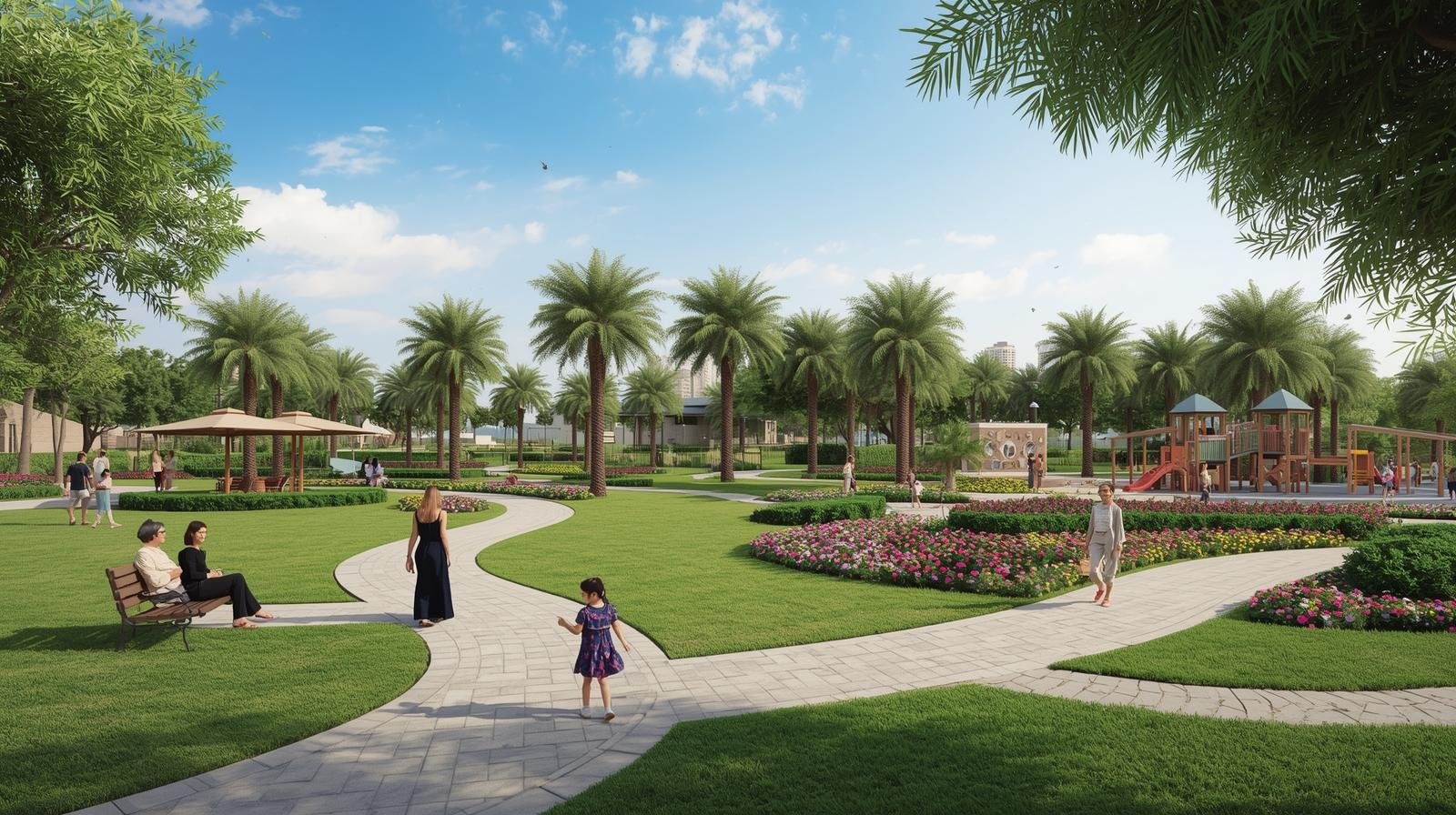
The city’s plan includes making green corridors and public spaces, which will also help people get around. Not only will these spaces give people places to relax and hang out, but they will also help the environment. Trees, plants, and parks will make the air cleaner, lower the temperature, and give people places to walk in the shade. The project’s holistic approach makes sure that the redesign of Ajman’s cities helps the people who live there, the environment, and the local economy all at the same time.
The main goal is to make walking easier
Making neighbourhoods more walkable is a key part of Ajman’s urban transformation. Streets that are easy for pedestrians to use make people less reliant on cars, lower emissions, and promote healthier lifestyles. The project includes making walking paths that go on forever, adding pedestrian crossings, and making sure that residents have safe, shaded places to move around. The goal is to make streets that are safe, welcoming, and useful for people of all ages, from kids to seniors.
The city also wants to add public features like seating areas, water fountains, and plants along walking paths to make them more comfortable and fun. These improvements are good for both physical and mental health because they encourage people to get outside and make places where people can meet and build community. Ajman is making its neighbourhoods more livable and sustainable by focusing on walkability.
The redesign will also include steps to make it easier for people to get from homes to businesses and public places. People will be able to walk to schools, hospitals, stores, and parks more easily. This cuts down on the number of short car trips, eases traffic, and makes people feel more like a part of the community. The focus on walkability is in line with the best practices in urban planning around the world, showing that Ajman is committed to design that is both innovative and focused on the needs of residents.
Ajman’s Sustainable Urban Planning
Ajman’s neighbourhood redesign is based on the idea of sustainability. The project takes the environment into account in all parts of planning and building. Streets will have eco-friendly paving materials, street lights that use less energy, and smart drainage systems to handle rainwater. Green spaces will be mixed in with neighbourhoods to lower the temperature, make the air cleaner, and add beauty. These steps make sure that urban growth doesn’t hurt the environment.
Ajman is getting ready for future urban problems like climate change and population growth by building infrastructure that will last. The city is encouraging responsible growth that lowers carbon footprints and makes life better. Streets that are cooler, cleaner, and more attractive will encourage people to get involved in their communities. Ajman is a modern, forward-thinking city because it is both sustainable and walkable.
Using smart technologies to control traffic, keep an eye on public spaces, and make the best use of energy is also a part of sustainable urban planning. These technologies make the streets safer, cut down on traffic, and make the whole city work better. Ajman makes sure that neighbourhood redesign meets both current and future needs by taking a holistic approach to sustainability.
Effect on Residents and Daily Life
The changes to neighbourhoods in Ajman will have a big effect on the daily lives of the people who live there. Commuting is faster, safer, and less stressful when there is less traffic. Better infrastructure for pedestrians makes walking and biking more appealing, which leads to healthier lifestyles and less reliance on cars. Parks, public spaces, and green corridors are places where people can play, meet new people, and get involved in their communities. This gives people a sense of belonging.
The redesign of the city will also have economic benefits. Better walking paths and nice public spaces make neighbourhoods more appealing to businesses, coffee shops, and stores, which boosts local business. More people walking and living in an area means more foot traffic, which is good for local business owners and service providers. This helps make the community lively and prosperous, where social and economic activities support each other.
The project also has a big impact on the environment. Less traffic and more plants will make the city healthier, cleaner, and less polluted. Ajman is making a city that improves the physical and mental health of its residents by combining pedestrian-friendly design, sustainable infrastructure, and social amenities.
Problems and Solutions
Making such a big change to a city is challenging. Some people may resist changing traffic patterns because they are used to them, but awareness campaigns and community involvement will highlight the benefits. Budget limits can pose challenges, but phased implementation ensures efficient use of resources and minimal disruption.
Another problem is finding a balance between the needs of pedestrians and the flow of traffic. Without putting safety at risk, streets must be able to handle cars, buses, and people walking. Urban planners will carefully plan intersections, crossings, and traffic systems so that everyone can get along. Ajman can make sure that its neighbourhood redesign project is successful and lasts by planning for these problems and coming up with proactive solutions.
In addition, it is important to make sure that green spaces, walkways, and public infrastructure are kept up over time. The city has stressed sustainability by using long-lasting materials, energy-efficient systems, and regular monitoring. This proactive approach makes sure that the project’s benefits will last for future generations.
Best Practices and Global Inspirations
Ajman’s new city design is based on what has worked in other cities around the world. Copenhagen is known for its urban planning that puts pedestrians first by including bike paths, parks, and safe streets. To make neighbourhoods livable, Singapore focuses on smart traffic management and long-lasting infrastructure. Barcelona has turned streets into areas that are safe for pedestrians, which has helped local businesses and made it easier for people to interact with each other.
Ajman can come up with good solutions that work for its own situation by looking at these examples from around the world. Focusing on walkability, green spaces, and good traffic management is in line with best practices around the world and fits the city’s cultural and environmental needs. This makes sure that the redesign project reaches its goals in a quick and long-lasting way.
Questions and Answers
What does “neighbourhoods cut” mean in Ajman’s plan?
The term means changing the layout of streets and cities so that traffic flows more smoothly and pedestrians can get around more easily.
How will Ajman make its neighbourhoods easier to walk around in?
The city wants to make walking safe and easy for everyone by making sidewalks wider, adding shaded paths, adding green spaces and making sure that crossings are safe.
When will the work start?
Ajman is using a phased approach, with the first pilot areas expected to start within the next year. The program will then gradually expand citywide, based on feedback and evaluations.
Will traffic and parking be affected?
Smart management systems will improve traffic flow, and parking will be organized to meet the needs of both cars and pedestrians.
What good things will happen to the environment?
Final Thoughts
Ajman’s neighbourhood redesign will create safer, greener, and more walkable communities. By enhancing pedestrian access and public spaces, the initiative promises to improve residents’ quality of life, encourage healthier lifestyles, and build vibrant, sustainable neighbourhoods for the future.