

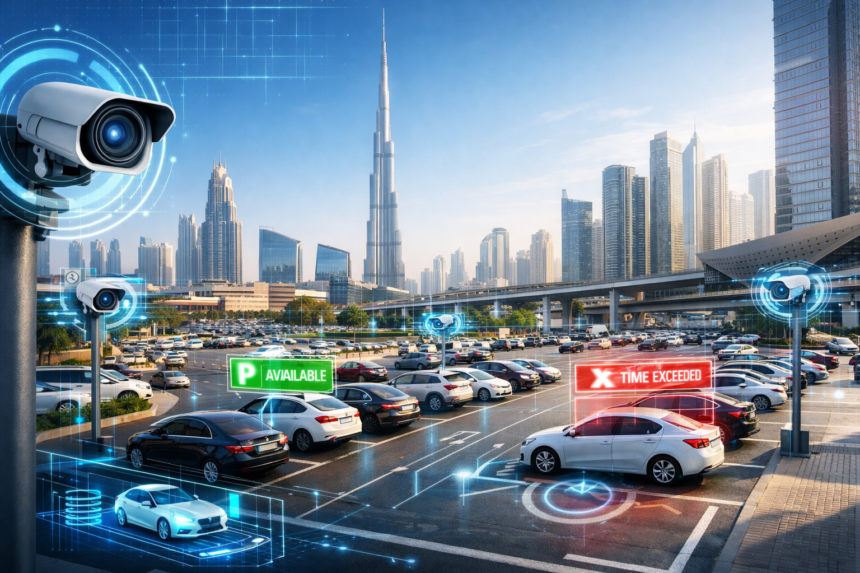
Dubai continues to strengthen its position as a global leader in innovation and urban development. The latest announcement that Dubai to deploy 1,000 smart parking cameras in key locations reflects the city’s strong focus on improving traffic systems and enhancing smart mobility solutions. As the population grows and vehicle ownership increases, modern parking management has become essential. This new initiative aims to transform how parking spaces are monitored, managed, and enforced across the emirate.
- The Vision Behind Smart Parking in Dubai
- How Smart Parking Cameras Work
- Key Areas Targeted for Implementation
- Impact on Traffic Flow and Congestion
- Benefits for Drivers and Residents
- Advantages for Businesses and the Economy
- Environmental and Sustainability Benefits
- Data-Driven Urban Planning
- Integration with Smart City Infrastructure
- Challenges and Implementation Considerations
- Long-Term Impact on Urban Mobility
- Frequently Asked Questions
- In conclusion
Parking congestion has long been a challenge in busy commercial districts, residential areas, and popular tourist zones. Drivers often spend significant time searching for available spaces, which increases traffic congestion and fuel consumption. By introducing advanced smart parking cameras, Dubai plans to reduce these problems and create a more efficient urban transport system. This step supports the city’s broader vision of building a fully integrated smart city powered by advanced digital technologies.
The Vision Behind Smart Parking in Dubai
The decision that Dubai to deploy 1,000 smart parking cameras in key locations is not a standalone move. It is part of a larger strategy focused on innovation, sustainability, and efficient urban planning. Dubai has consistently invested in artificial intelligence, automation, and digital transformation to improve public services. Smart parking technology fits perfectly within this long-term development framework.
Urban mobility plays a critical role in economic growth and quality of life. When parking becomes difficult, it affects businesses, residents, and visitors. Long search times for parking create frustration and increase road congestion. Smart parking systems address these challenges by providing real-time monitoring and automated enforcement. This approach ensures that parking spaces are used efficiently and fairly.
The initiative reflects Dubai’s commitment to using technology to solve practical urban problems. By combining AI-driven monitoring with digital integration, authorities can manage parking zones with greater accuracy and transparency.
How Smart Parking Cameras Work
The plan that Dubai to deploy 1,000 smart parking cameras in key locations relies on advanced camera systems equipped with artificial intelligence and automatic number plate recognition technology. These cameras are strategically installed in high-demand parking areas to monitor vehicle entry, exit, and parking duration.
When a vehicle parks in a designated space, the camera captures its license plate number and records the exact time of entry. The system continuously tracks the parking duration. When the vehicle leaves, the exit time is logged automatically. The software then calculates the total parking time and checks whether payment was completed within the allowed period.
If a driver fails to pay or exceeds the permitted time, the system identifies the violation immediately. Authorities can issue fines digitally without the need for manual inspection. This automated process reduces errors and increases efficiency. It also ensures fairness because every vehicle is monitored under the same digital standards.
The system operates through a centralized control platform that gathers real-time data from all installed cameras. This data allows authorities to monitor parking activity across different zones and respond quickly to congestion issues.
Key Areas Targeted for Implementation
The announcement that Dubai to deploy 1,000 smart parking cameras in key locations highlights the focus on high-traffic zones. These areas typically include commercial business districts, retail hubs, government offices, tourist attractions, and busy residential communities.
Business districts experience heavy parking demand during working hours. Retail areas see high vehicle turnover, especially on weekends and holidays. Tourist zones attract both local and international visitors, increasing the need for organized parking management. Residential communities also face challenges during peak evening hours when residents return home.
By installing smart parking cameras in these strategic locations, Dubai ensures maximum impact. The system will help regulate parking turnover, reduce illegal parking, and improve space availability in the most crowded parts of the city.
Impact on Traffic Flow and Congestion
One of the primary reasons behind the initiative that Dubai to deploy 1,000 smart parking cameras in key locations is to reduce traffic congestion. Studies show that a significant percentage of urban traffic comes from drivers searching for parking spaces. When vehicles circulate repeatedly around blocks, congestion increases and road efficiency decreases.
Smart parking cameras help solve this problem by improving parking discipline and increasing space turnover. When drivers follow proper parking rules and avoid overstaying, more spaces become available throughout the day. This reduces the time needed to find parking and decreases unnecessary vehicle movement.
Improved traffic flow benefits everyone. Commuters reach their destinations faster, public transport operates more smoothly, and emergency vehicles gain easier access to roads. Reduced congestion also enhances road safety by minimizing sudden stops and illegal parking.
Benefits for Drivers and Residents
The initiative that Dubai to deploy 1,000 smart parking cameras in key locations offers several advantages for drivers and residents. First, the system creates a more organized parking environment. Drivers no longer need to worry about unclear enforcement or inconsistent monitoring.
Second, digital integration allows convenient payment options through mobile applications and online platforms. Drivers can receive notifications about parking duration and reminders before time expires. This reduces the risk of fines and promotes responsible parking behavior.
Third, improved parking availability saves time and fuel. Drivers spend less time circling streets, which lowers fuel expenses and reduces stress. A smoother parking experience contributes to better overall quality of life for residents.
Advantages for Businesses and the Economy
Efficient parking management has a direct impact on local businesses. When customers can easily find parking spaces, they are more likely to visit shopping centers, restaurants, and service providers. The plan that Dubai to deploy 1,000 smart parking cameras in key locations supports economic activity by improving customer access to commercial areas.
Retail zones benefit from higher parking turnover because spaces become available more frequently. This ensures that more customers can visit businesses throughout the day. Tourism also benefits from organized parking systems, as visitors experience less frustration when navigating busy areas.
Accurate digital enforcement also increases transparency in parking fee collection. This ensures that revenue is managed efficiently and reinvested into infrastructure improvements.
Environmental and Sustainability Benefits
Sustainability remains a central focus in Dubai’s urban development strategy. The initiative that Dubai to deploy 1,000 smart parking cameras in key locations contributes to environmental protection by reducing unnecessary vehicle movement.
When drivers spend less time searching for parking, fuel consumption decreases. Lower fuel use leads to reduced carbon emissions, which supports air quality improvement. Efficient parking systems also reduce road congestion, further minimizing environmental impact.
Digital ticketing and automated monitoring reduce the need for paper-based processes. This shift toward digital solutions aligns with Dubai’s commitment to sustainable and eco-friendly practices.
Data-Driven Urban Planning
One of the most valuable outcomes of this initiative is data collection. Smart parking cameras generate real-time information about parking patterns, peak hours, and violation trends. This data provides authorities with clear insights into urban mobility behavior.
City planners can analyze this information to make informed decisions about infrastructure expansion, parking fee adjustments, and transportation planning. Data-driven strategies allow Dubai to allocate resources efficiently and anticipate future mobility challenges.
By understanding parking demand in specific zones, authorities can design better road networks and integrate public transport solutions more effectively.
Integration with Smart City Infrastructure
The announcement that Dubai to deploy 1,000 smart parking cameras in key locations fits into a larger smart city ecosystem. Dubai has already implemented advanced traffic management systems, smart surveillance networks, and digital government services.
Smart parking cameras can integrate with traffic monitoring systems and mobile navigation apps. In the future, drivers may receive real-time parking availability updates directly through their vehicle dashboards or smartphones. This seamless connectivity enhances convenience and supports intelligent transportation systems.
As technology continues to evolve, smart parking solutions may also integrate with electric vehicle charging stations and autonomous vehicle infrastructure. This prepares Dubai for future mobility trends and innovations.
Challenges and Implementation Considerations
While the benefits are significant, successful implementation requires careful planning. Public awareness campaigns play an important role in ensuring that drivers understand how the system works. Transparency about data usage and privacy protection is also essential to maintain public trust.
Regular maintenance and system upgrades are necessary to ensure accuracy and reliability. Authorities must monitor camera performance and update software systems to prevent technical disruptions.
By addressing these considerations proactively, Dubai can ensure that the smart parking system operates smoothly and delivers long-term benefits.
Long-Term Impact on Urban Mobility
The initiative that Dubai to deploy 1,000 smart parking cameras in key locations marks a significant step toward smarter urban mobility. Over time, the system will reshape parking behavior and encourage more disciplined vehicle management.
As parking becomes more organized, traffic conditions improve across the city. Businesses benefit from better customer access, residents experience less congestion, and visitors enjoy a smoother travel experience. The project also strengthens Dubai’s global reputation as a leader in technological innovation.
Smart parking cameras represent more than a traffic solution. They symbolize Dubai’s forward-thinking approach to city planning and digital transformation.
Frequently Asked Questions
What is the purpose of Dubai deploying 1,000 smart parking cameras in key locations?
The purpose is to improve parking management, reduce traffic congestion, enhance enforcement accuracy, and support Dubai’s smart city development strategy.
How do smart parking cameras detect parking violations?
Smart parking cameras use automatic number plate recognition and artificial intelligence to record vehicle entry and exit times, calculate parking duration, and identify unpaid or overstayed vehicles.
Will smart parking cameras reduce traffic congestion in Dubai?
Yes, the system reduces the time drivers spend searching for parking spaces, which decreases unnecessary vehicle movement and improves overall traffic flow.
Are smart parking cameras secure and reliable?
Yes, the system operates through secure digital platforms and centralized monitoring systems designed to ensure data protection and accuracy.
Will drivers be able to pay parking fees digitally?
Yes, smart parking systems integrate with digital payment platforms and mobile applications, allowing drivers to pay conveniently and receive parking reminders.
How does this initiative support environmental sustainability?
By reducing fuel consumption and minimizing congestion, smart parking cameras help lower carbon emissions and support cleaner air across the city.
What long-term impact will this project have on Dubai’s transportation system?
The project will improve parking efficiency, support data-driven urban planning, enhance mobility infrastructure, and strengthen Dubai’s position as a global smart city leader.
In conclusion
The announcement that Dubai to deploy 1,000 smart parking cameras in key locations represents a significant step forward in the city’s journey toward a fully integrated smart city. This initiative is set to improve parking efficiency, reduce traffic congestion, enhance road safety, and support sustainable urban mobility. By combining advanced technology, artificial intelligence, and real-time monitoring, Dubai is creating a seamless and convenient parking experience for residents, businesses, and visitors alike. Beyond traffic management, the system provides valuable data for urban planning, supports economic growth, and reinforces the city’s reputation as a global leader in innovation. As the smart parking cameras become fully operational, Dubai residents and tourists can expect a more organized, efficient, and technology-driven urban environment, reflecting the city’s long-term vision of smarter living and sustainable development.