

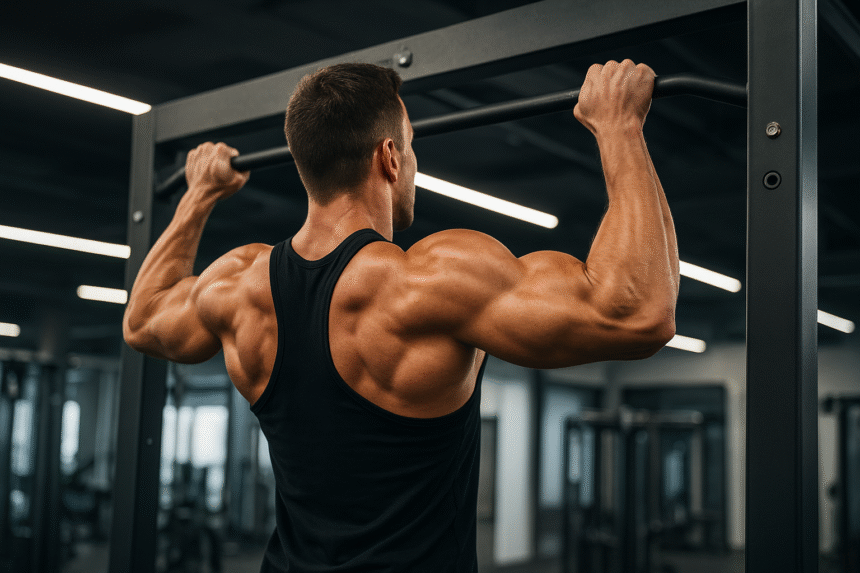
The reverse-grip pull-up, also known as the underhand pull-up or chin-up variation, is one of the best bodyweight exercises for building a strong upper body. A lot of people only do traditional pull-ups, but the reverse-grip version has deeper, hidden benefits that go beyond just building up your back and arms. This exercise strengthens the core, helps with posture, keeps joints healthy, and gives you a balanced and functional upper-body shape.
- How to Do the Reverse-Grip Pull-Up
- Improved Core Activation and Stability
- Better shoulder health and movement that is good for joints
- More Bicep Activation for Stronger Arms
- More Lat Engagement for a Stronger and Wider Back
- Fixing bad posture and making the spine stronger
- Better connection between mind and muscle and full control
- Why the Reverse-Grip Pull-Up Is a Great Exercise for Newbies
- How to Do the Reverse-Grip Pull-Up the Right Way
- How to Avoid Common Mistakes
- How often should you do reverse-grip pull-ups?
- Questions and Answers
- To sum up
The reverse-grip pull-up is popular with beginners, athletes, and fitness fans because it combines strength, mobility, and stability in one smooth motion. Because of its natural grip position, it recruits more muscles and puts less strain on the shoulders. This makes it a great choice for long-term progress. This article talks about the hidden core benefits of the reverse-grip pull-up, how to do it right, and why it’s important for anyone who wants to get stronger and perform better.
How to Do the Reverse-Grip Pull-Up
When you do a reverse-grip pull-up, your palms are facing you instead of away. This small change in how you hold your hands makes a big difference in how your muscles work during the exercise. Your body stays more upright, your biceps work harder, and your core muscles work harder to control the movement.
The natural position of the arms and shoulders in this variation makes it easier for beginners and safer for people who have trouble moving their shoulders. At the same time, advanced athletes like this move because it helps them get stronger without putting too much stress on their joints.
Improved Core Activation and Stability
One of the best-kept secrets about the reverse-grip pull-up is how well it works your core. When you lift your body with your palms facing each other, your torso stays straighter. Your core has to work harder to keep your spine stable and stop you from swinging in this position.
The reverse-grip pull-up works the deep core muscles, such as the transverse abdominis, obliques, and lower-back stabilizers. These muscles work together to keep your posture straight and give you a strong base for all physical activities. Training regularly over time helps you get better at balance, control, and being aware of your body.
A strong core is important for more than just fitness. It’s also important for everyday activities like walking, lifting, bending, and standing for long periods of time. This means that the reverse-grip pull-up is a useful exercise that will help you for a long time.
Better shoulder health and movement that is good for joints
People who do regular pull-ups wrong or have limited shoulder mobility often have shoulder pain. The reverse-grip pull-up fixes this by putting the shoulders in a position that is more natural and comfortable.
The shoulder joint moves smoothly during the exercise when the palms are facing each other. This takes some of the stress off the rotator cuff and makes it easier for the shoulder blades to move. This variation is safer for people who are recovering from shoulder problems or who want to avoid strain.
Better shoulder health also means that you will do better at other exercises like rows, presses, and overhead movements. When you do the reverse-grip pull-up regularly, you make the muscles around the shoulder joint stronger, which makes it easier to work out safely and effectively.
More Bicep Activation for Stronger Arms
The reverse-grip pull-up is also great for your biceps because it works them directly. Because your palms are facing you, your biceps have to work harder to lift your body through the full range of motion.
This is why the reverse-grip pull-up is one of the best bodyweight exercises for building arm strength. It helps make your biceps stronger and more defined without using machines or doing isolated curls. A lot of athletes like this variation better because it feels more natural and smooth, which makes it easier to progress and gain strength.
Strong biceps also make your grip stronger, which helps you lift, pull, and do everyday tasks. This exercise helps people who want to look better and get stronger at the same time.
More Lat Engagement for a Stronger and Wider Back
The reverse-grip pull-up is a unique way to work out both your biceps and lats. The biceps help lift the body up, but the lats work hard during the movement, especially when the body is stretched at the bottom and contracted at the top.
This change lets you move more freely, which helps make the upper back wider and thicker. The reverse-grip pull-up helps you get a V-shaped body and makes your upper body stronger overall. A lot of bodybuilders do this exercise because it helps muscles grow naturally and evenly without putting too much stress on the joints.
Fixing bad posture and making the spine stronger
Long periods of sitting, using smartphones, and working on computers are all things that can make your posture worse in today’s world. Over time, this makes the upper back round and weakens the core muscles.
The reverse-grip pull-up works the muscles that keep the spine stable and pull the shoulders back. Doing it regularly helps with posture, eases tension in the neck and shoulders, and keeps the spine healthy in the long run.
Good posture helps you breathe better, stay balanced, and have more energy. It also lowers the chance of getting hurt and makes almost every other exercise better.
Better connection between mind and muscle and full control
The reverse-grip pull-up helps your brain and the muscles you’re trying to work get stronger. You can concentrate more on muscle contraction and control because the movement feels natural and smooth.
This better connection between your mind and muscles helps you activate them more effectively, which improves the results of your strength training. It lowers the chance of using momentum, rushing through reps, or putting stress on parts of the body that shouldn’t be working. This leads to better form, more balanced growth, and safer training sessions over time.
Why the Reverse-Grip Pull-Up Is a Great Exercise for Newbies
The traditional overhand pull-up is hard for a lot of beginners because it puts a lot of stress on the back and shoulders. The reverse-grip variation lets the biceps help with the movement, which makes the lift easier and more manageable.
This variation often helps beginners make progress faster because it feels more natural. As you get stronger, this exercise becomes a way to learn how to do harder pull-up variations.
It is easier for beginners, but it is still very effective for advanced lifters because it lets them train with more weight and better control.
How to Do the Reverse-Grip Pull-Up the Right Way
To get all the secret benefits of the reverse-grip pull-up, you need to use the right form. Stand under the bar and hold it with your palms facing you and your shoulders apart. Start with your arms straight out and your core tight. As you pull up, pay attention to how your back and elbows bend smoothly. Bring your chest close to the bar, then slowly lower yourself back to the starting position. Moving in a smooth, controlled way makes sure that your muscles are working as hard as possible and lowers your risk of getting hurt.
How to Avoid Common Mistakes
A lot of people do reverse-grip pull-ups too quickly or by swinging their bodies. This makes it harder to control and puts more stress on the joints. Another mistake that happens a lot is using a grip that is too wide or too narrow. Both mistakes make it harder for muscles to work. Getting the best results requires using the right grip width, moving in a controlled way, and having the right form.
How often should you do reverse-grip pull-ups?
Most people should do reverse-grip pull-ups two to three times a week. Three to four sets of controlled reps per session help you get stronger while giving your muscles time to rest. Most people notice big changes in their strength, posture, and upper-body shape within a few weeks of doing the same thing over and over again.
Questions and Answers
1. Which muscles get the most out of reverse-grip pull-ups?
The lats, biceps, upper back, and core are the most active.
2. Are pull-ups with a reverse grip easier than regular pull-ups?
Yes, because the biceps help more during the movement, which makes the lift easier.
3. Do reverse-grip pull-ups help with posture?
Yes, they make the back and core muscles stronger, which helps keep good posture.
4. Is this exercise safe for people who have problems with their shoulders?
The underhand grip puts less stress on the shoulder joint and is usually safer for people who have trouble moving around.
5. How often should I do pull-ups with a reverse grip?
It’s best to do it two to three times a week to get stronger and better at it.
To sum up
The reverse-grip pull-up is not just a different kind of pull-up. Some of its hidden benefits are stronger abs, better posture, healthier shoulders, more engaged biceps, and better back development. The exercise is safe, useful, and works for people of all fitness levels. The reverse-grip pull-up is an important part of any workout routine, whether you’re a beginner who wants to get stronger or an experienced athlete who wants to grow their muscles in a more balanced way.