

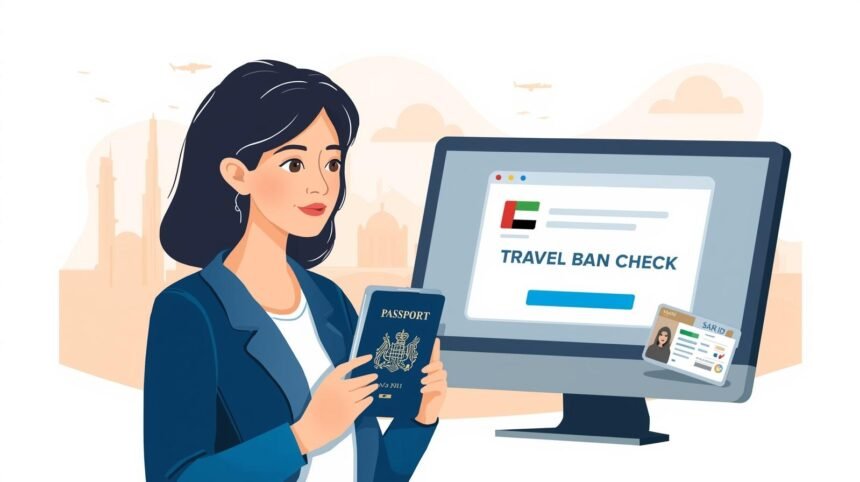
For millions of people who live in the UAE, work there, or visit, travelling there is a normal part of life. But some people may not be able to leave the country because of rules that apply to them. A travel ban is one of the most important restrictions. Travel bans can be put in place for legal, financial, or administrative reasons, and they can make things very difficult if you don’t deal with them before you plan to travel abroad. So, it’s very important to know how to find out if you have a travel ban in the UAE. This guide will tell you everything you need to know, such as how travel bans are put in place, how to check your status, what could happen, and how to fix the problems.
- What does it mean to have a travel ban in the UAE?
- Different Types of Travel Bans in the UAE
- How to Find Out If You Can’t Travel to the UAE
- Why does the UAE have travel bans?
- What happens when the UAE bans travel?
- How to Get Rid of a Travel Ban in the UAE
- How to Avoid Travel Bans in the UAE
- Questions and Answers About Travel Bans in the UAE
- Last Words
What does it mean to have a travel ban in the UAE?
A travel ban in the UAE is a rule that stops a person from leaving the country.Government agencies, courts, or banks can issue travel bans, which may last a short or long time depending on the situation. Travel bans ensure people meet their legal, financial, or administrative obligations before leaving the country. They can affect both residents and non-citizens of the UAE.
You should check your travel status because trying to travel without knowing could lead to fines, legal trouble, or being held at the airport. You can easily verify your status online or through official channels, and staying proactive helps avoid delays and ensures smooth travel plans.
Different Types of Travel Bans in the UAE
The UAE has different types of travel bans. Legal bans apply to people with pending criminal or civil cases to ensure they stay until their issues are resolved. Financial bans affect those with unpaid loans, debts, or fines, and banks or financial institutions enforce them to secure payment. Administrative bans come from employers or government departments, often due to ongoing investigations, work disputes, or procedural rules. Immigration bans occur when someone violates visa rules, overstays their residency, or works without permission. Knowing your type of travel ban helps you understand what steps to take to lift it.
How to Find Out If You Can’t Travel to the UAE
If you want to travel internationally, you need to check to see if you have a travel ban in the UAE. There are a few official ways to do this.
The Ministry of Interior (MOI) Website
You can trust the UAE Ministry of Interior’s online service to check travel bans. The travel ban inquiry service is available on the MOI website in the eServices section. Residents and citizens can visit the site. You can find out right away if you are banned from travelling by entering your Emirates ID or passport number. The online service is safe, gets updates in real time, and is the quickest way to check your status.
Using the General Directorate of Residency and Foreigners Affairs (GDRFA)
The GDRFA lets people in Dubai check travel bans online and in person. People can use the travel ban inquiry service on the GDRFA website and enter their passport or visa information. The portal gives you instant information about any travel restrictions. Also, going to GDRFA offices in person can get you official papers that you might need to lift the ban.
Getting in touch with your embassy or consulate
Foreigners can also check their travel status with their embassy or consulate. Embassies help people talk to the UAE government. They can help people check for travel bans, explain the paperwork that needs to be filled out, and give advice on how to lift restrictions. When you call your embassy or consulate, make sure you have your passport and visa information ready.
Asking courts or legal authorities
If your travel ban is because of a court case that is still going on, you need to get in touch with the right court. People need to find out which court is handling their case and formally ask to check their travel restrictions. To handle these kinds of requests, courts need proof of identity and case information. Getting official papers from the court proves your travel status and can help you get the ban lifted.
Why does the UAE have travel bans?
People can deal with the problem better if they know why travel bans are in place. One of the most common reasons for travel restrictions is that there are legal cases still pending. People who are involved in criminal, civil, or labour disputes may not be able to leave the country until their case is over. Travel bans are also common because of money problems. People who owe money, have unpaid bills, or have unpaid fines may not be able to travel until they pay them off.
Travel bans can also happen if you break immigration laws by staying too long on a visa or working without the right permits. Administrative bans can also happen because of procedural issues, ongoing investigations, or unresolved work problems. Finding out exactly why the travel ban is in place is very important because it helps decide what needs to be done to lift the ban.
What happens when the UAE bans travel?
There are big problems that come with having a travel ban in the UAE. Not being able to leave the country is the most immediate effect. If you try to travel while your ban is still in effect, you could face legal penalties, fines, or even being held at the airport. Travel bans can also hurt job prospects, especially for expatriates looking for work abroad, since they may not be able to accept job offers.
There can also be financial problems, especially if the travel ban is because of unpaid debts or fines. If you don’t quickly lift a travel ban, you could have long-term problems with the police, immigration offices, and banks. These problems could make it harder to travel, do business, or find a new job. So, it’s important to check your travel status regularly and fix any problems right away.
How to Get Rid of a Travel Ban in the UAE
To lift a travel ban, you need to deal with the reason it was put in place. People who are legally banned from travelling must either finish their cases or follow court orders. This could mean going to court, sending in the right paperwork, or following the rules set by the court. You can get rid of a financial travel ban by paying off debts, fines, or loans. It is important to get official confirmation from the right financial institution after making the payment.
Travel bans related to immigration often mean that you have to renew your visa, fix your residency information, or make your work permit legal again. You can get rid of administrative bans by getting in touch with the right government department or employer and following the rules. Once the problem is fixed, people can ask for official proof that the travel ban has been lifted. This means they can travel freely without any restrictions.
How to Avoid Travel Bans in the UAE
It’s better to stop a travel ban than to deal with one. It’s important to stay up to date on your legal duties, visa status, and financial obligations. Paying your bills, fines, and loans on time makes sure that you don’t run into any financial problems. Keeping your visas and residency permits up to date and following immigration rules lowers the chance of being banned from travelling. Avoiding legal problems or settling them quickly can also help keep restrictions from happening. If a travel ban is ever put in place, it will be easier to deal with if you keep detailed records of payments, letters to authorities, and legal documents. Taking proactive steps makes sure that travel plans go smoothly and that travel bans don’t cause too many problems.
Questions and Answers About Travel Bans in the UAE
Q1: How can I find out if I have a travel ban in the UAE?
You can check your travel status through the Ministry of Interior website, the GDRFA portal, your embassy or consulate, or the court handling your case.
Q2. What are the main reasons why people can’t travel to the UAE?
People often face travel bans because of unpaid debts or fines, pending court cases, visa violations, overstaying their residency, or other administrative issues.
Q3: If I have a travel ban, can I leave the UAE?
No, it is against the law to travel with an active travel ban, and you could face fines, detention, or other legal consequences.
Q4: How long does a travel ban last?
The reason for a travel ban determines its duration. Legal bans last until the case is resolved, financial bans continue until debts or fines are paid, and administrative or immigration bans remain until the required conditions are met.
Q5. What should I do if I find out I can’t travel?
Find out why the ban is in place and do what you need to do to fix it. This could mean paying off debts, going to court, getting a new visa, or following administrative rules. Get official confirmation once the problem is fixed.
Q6. Do you have to pay to see if there is a travel ban?
The MOI and GDRFA are two examples of government websites that let you check the status of a travel ban for free.
Q7. Can an embassy help you get rid of a travel ban?
Embassies can advise and communicate with UAE authorities, but the ban lifts only after the underlying issue is resolved.
Last Words
If you live, work, or visit the UAE, you should know how to check for a travel ban. You can use the Ministry of Interior website, GDRFA services, your embassy, or the courts to verify your status. Understanding the reasons for a ban and how to lift it helps protect your travel plans and stay within the law. To avoid travel bans, stay on top of your finances and legal obligations, and seek professional help when needed. Staying informed and cautious ensures smooth travel and safeguards your personal and professional interests.